Facial Gua Sha vs. Jade Roller: Which Suits Your Skin Type and Schedule?
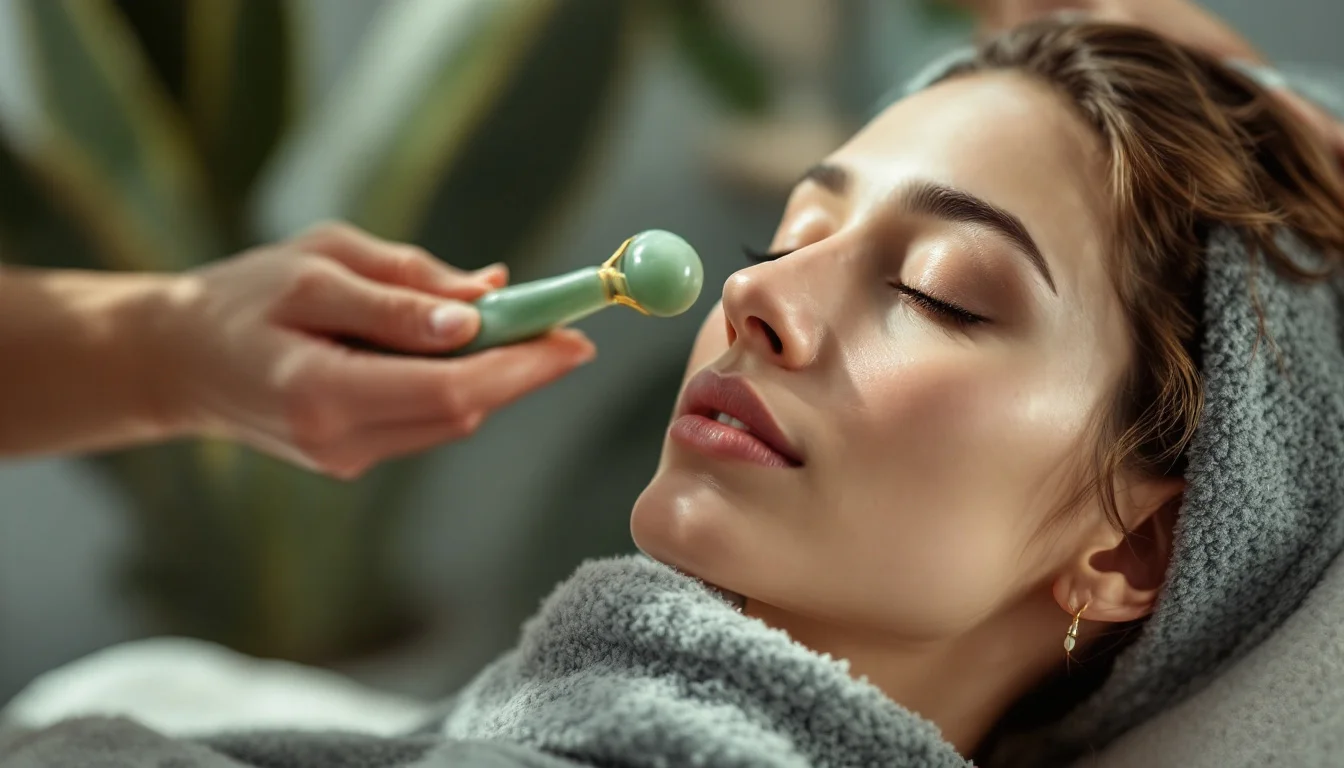
Choosing the right facial massage device comes down to specific factors like skin sensitivity and available time, rather than discovering a universally superior product. Determining which tool actually works requires separating the physical mechanics of tissue manipulation from unsubstantiated claims. In recent years, the context surrounding these techniques has shifted; practices like gua sha have been heavily modernized and popularized by western countries, especially the USA, which now promote them primarily as valuable facial beauty aids.
Key Takeaways
- Success relies on consistent application technique rather than the raw material of the device.
- Lymphatic transport is propelled by a combination of bodily compressions and smooth-muscle contractions; manual external pressure assists rather than replaces these natural mechanisms.
- Tool selection should carefully align with daily schedules and individual skin resilience.
The Lymphatic Mechanism: How Facial Massage Actually Works
Understanding why physical manipulation works requires looking closely at human anatomy. Unlike blood circulation, which is driven by the heart acting as a central pump, lymphatic transport relies heavily on external compressions—such as skeletal-muscle movement, breathing, and arterial pulsation—alongside the movement of smooth muscles to propel fluid through the lymph vessels. External pressure assists rather than replaces these mechanisms. Because there is no central pump pushing fluid through the face, external mechanical pressure is used to encourage movement. The fluid in the lymphatic system functions to help remove waste and byproducts from body tissues. By keeping lymph fluid moving efficiently, practitioners aim to support the drainage of accumulated waste.
The Reliance on Anecdotal Evidence
Sweeping claims about clearing "toxins" from the body often lack backing from formal clinical literature. The beauty community frequently relies on personal reports rather than rigorous scientific trials to validate these tools. For instance, an unverified reader comment on the Moonette blog provided anecdotal, non-clinical evidence regarding her own experience. She reported that swelling in her cheek, lip, sinus, and jawline—caused by a dental treatment—had gone down dramatically after only two lymphatic drainage sessions using a jade roller. The blog author noted that this result did not surprise her.Physical Limits vs. Online Claims
While this single unverified personal report highlights the potential of mechanical drainage for acute swelling, it demonstrates the reliance on anecdotal rather than clinical evidence in modern skincare discussions. Neither tool functions as a magic eraser for physiological issues; both require realistic expectations from users.Gua Sha: Deep Tissue Manipulation and TCM Roots
Gua sha (刮痧) is a Chinese term that roughly translates to "scraping the sha" or illness. This technique has been practiced in China for millennia, with similar practices found across other Asian cultures. The practice traditionally involves using a smooth-edged tool.
Penetration and Pressure Profiles
According to Santé Clinics Barcelona, gua sha provides deeper tissue manipulation for lymphatic drainage and muscle relaxation compared to a rolling mechanism. Furthermore, while both tools can enhance skincare product absorption, gua sha's specific scraping technique is said to allow for deeper penetration. The Moonette beauty blog author asserts that gua sha is ultimately more effective than a jade roller because of this ability to work deeply into the skin, noting that, unlike jade rollers, it can also be applied to most parts of the body to actively release muscle tension and reduce pain. However, this remains the author's opinion rather than a verified study finding.The Clinical Gap in Aesthetics
It is crucial to note that neither blog nor clinic sources cite formal scientific studies for these specific claims. For individuals seeking intense muscle release, this method provides physical engagement. Commercial providers also reflect this clinical gap by focusing on consultation over direct application; for example, Santé Clinics Barcelona (located at Avenida Diagonal 384, Barcelona) explicitly states that while they do not directly offer gua sha or jade roller treatments, their team can assess a client's skin type and advise on techniques and contraindications for home use to empower informed decisions.Jade Rollers: Superficial Circulation for Daily Soothing
While the scraping method offers intensity, a jade roller provides a more accessible, surface-level alternative. Jade rollers offer gentle soothing and improved circulation. The fundamental physical difference lies in the application of force: rolling glides seamlessly over the skin without demanding complex hand positioning. Santé Clinics Barcelona notes that while the jade roller may not provide the same deep tissue manipulation as gua sha, it serves as an excellent option for a quick and easy facial massage that can be seamlessly incorporated into a daily skincare routine.
Managing Sensitive Skin Types
This gentle approach makes the roller highly preferable for certain demographics. According to Santé Clinics Barcelona, gua sha may be too intense for sensitive skin, whereas jade rollers are generally suitable for all skin types.A Solution for Hectic Schedules
Time investment represents another major practical differentiator. Gua sha requires more time and expertise to apply correctly than jade rollers. A roller is a practical alternative for people without enough spare time to master gua sha techniques.It serves as an introductory device that requires virtually no learning curve to achieve baseline circulation benefits.
Matching the Tool to Your Skin Profile and Schedule
Choosing between these devices is not a matter of finding a universally superior option. Instead, it requires matching the tool to lifestyle demands and financial considerations. According to a 2021 market observation by the Moonette beauty blog, prices for facial gua sha tools and jade rollers exhibited historical volatility, ranging anywhere from €6 to €68 for a single item or a set; prices will have changed since that observation and should be verified before purchase.
Tool Comparison Matrix
| Criteria | Jade Roller | Gua Sha |
|---|---|---|
| Pressure Depth | Surface-level soothing | Deeper tissue manipulation |
| Learning Curve | Virtually none | Requires learning specific angles |
| Session Time | Fast and highly efficient | Deliberate, slow pace |
| Suitability for Reactive Skin | Suitable for all skin types | May be too intense |
| Counterfeit Risk | Fake glass stones | Fake glass stones |
The Time-Poor and Sensitive Profile
For those with highly reactive skin or heavily restricted daily schedules, the jade roller operates as the optimal choice. Users benefit substantially from the straightforward nature of the roller.The Time-Rich and Resilient Profile
Conversely, users with resilient skin and ample time are far better suited for the scraping technique. Mastering the specific angles and pressure required for this method demands a deliberate, slow pace. The user must be willing to learn the correct anatomical pathways.Ultimately, effectiveness is entirely contextual. Santé Clinics Barcelona highlights that the best way to determine the right tool is to simply try both based on specific concerns and desired massage intensity. They suggest that users might even find that incorporating both tools into a single skincare routine provides the best of both worlds.
Application Technique and Avoiding Counterfeit Tools
The physical tool itself remains secondary to the application technique.
Proper Stroke Directions and Angles
The methods for each device differ based on their shape and intended pressure profile:- Jade Roller Mechanics: Professional recommendations generally suggest starting by clearing the neck, followed by movements directed from the center of the face outward toward the regional lymph nodes.
- Gua Sha Mechanics: Stroke directions vary depending on the practitioner and the specific facial zone being treated. During this process, the user is advised to maintain the tool at a shallow angle.
Consumer Protection
Buyers must exercise caution regarding manufacturing materials. Some tools currently on the market are made from fake stones such as glass rather than genuine semi-precious stone. The author of the Moonette blog personally advises avoiding these synthetic materials entirely. Consumers are strongly advised to avoid these counterfeit products to prevent falling victim to commercial fraud.Conclusion
The next horizon in skincare involves viewing these devices as mechanical aids. Regularly applying targeted physical pressure provides a pragmatic solution to facial tension. This shift in perspective grounds daily skincare in functional anatomy rather than decorative aesthetics.
Frequently Asked Questions
What stones are typically used for these tools?
Gua sha tools and jade rollers are made from similar semi-precious stones, such as amethyst, rose quartz, and jade. They are used for comparable purposes across the skincare market.Can gua sha be used on the rest of the body?
Yes. Gua sha remains a popular remedy in Traditional Chinese Medicine (TCM) in China, Hong Kong, and Taiwan, while similar distinct practices exist in Vietnam. While heavily marketed for facial aesthetics today, it is traditionally used to treat severe bodily symptoms such as headache, muscle pains, injury, stiffness, tension, and fatigue across broader muscle groups.--- The information in this article does not replace medical advice. Consult your doctor or a qualified healthcare professional.