The 2026 Guide to Nailing the 'French Girl' Beauty Look With Minimal Effort
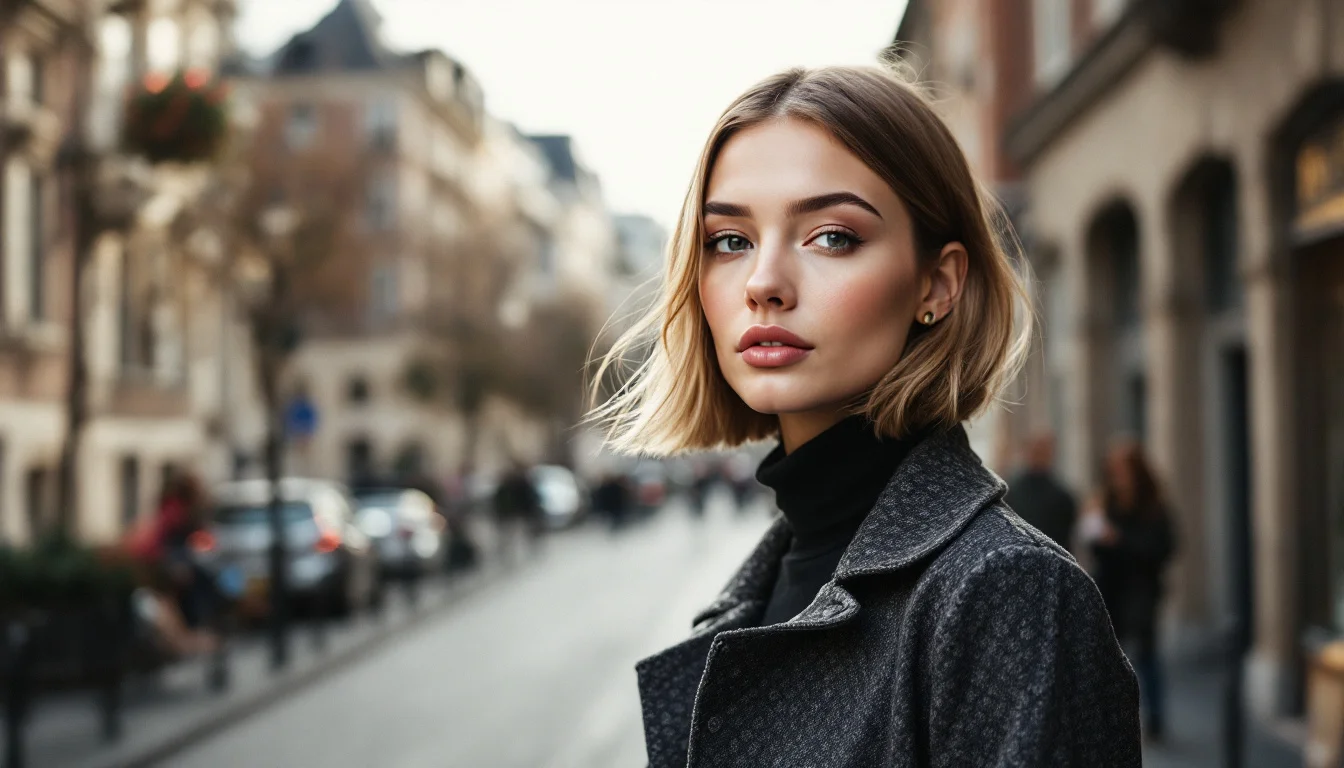
The definition of Parisian beauty is shifting. Moving away from highly structured styling routines, the 2026 French Girl aesthetic has pivoted toward a versatile approach rooted in intuitive application. According to session stylist Anthony Turner, speaking to ELLE UK (2026), the current iteration of French girl hair is defined by "effortless luxury"—hair that feels undeniably easy and undone, yet retains an unmistakable salon-quality finish. It must not look overworked or overly "done"; instead, it should appear "just naturally expensive."
This principle of unforced elegance extends directly from hair texture down to the complexion. Instead of heavy contouring brushes and rigid tools, the aesthetic embraces tactile techniques and skincare-infused formulas, making the look accessible regardless of natural hair type or skin tone. The contemporary look frames minor smudges and out-of-place tendrils as intentional stylistic signatures.
Key Takeaways
- Tool-free application: Modern routines replace contouring brushes with intuitive, fingertip-blotted techniques for a diffused finish.
- Skincare-makeup hybrids: High-performance cosmetics infused with ingredients such as rose extract or hyaluronic acid bridge the gap between color pigment and skin treatment.
- Democratic hair texture: The "naturally expensive" look adapts to any strand type, from pin-straight lengths to soft curls.
- Moodier seasonal shifts: The autumn/winter 2026 aesthetic introduces smudged, shimmering elements and rich, food-inspired tones, replacing stark minimalism with lived-in glamour.
What Makes the 2026 French Girl Look Different?
Achieving minimal effort in 2026 relies on shifting from complex application tools to hybrid formulations that perform multiple functions simultaneously. French Living Journal (2026) frames modern French makeup as heritage and artisanal craftsmanship, not simply pigment. According to the publication, investing in these brands focuses on the formulation craft behind the product. Whether a house is centuries old or an emerging modern laboratory, the reporting emphasizes that the focus remains on luxury performance. To guide consumers through this shifting landscape, the publication comprehensively structures the routine under five distinct headings: demystifying the philosophy of French makeup (explaining the elusive 'je ne sais quoi'), identifying curated French makeup essentials, profiling elite French makeup brands, prioritizing the French pharmacy prep, and explaining how to recreate the classic French makeup look in exactly five steps.
Formulations Bridging Color and Treatment
To navigate the current market, French Living Journal (2026) groups makeup houses into two distinct categories:
- The Heritage Houses: Established brands that defined the initial Parisian look. Chanel is positioned as the ultimate in chic minimalism, Dior delivers couture-inspired high-glamour, and Guerlain remains the master of luminous textures.
- The Modern Vanguard: Contemporary brands like Violette_FR and Rouje that engineer their products specifically for modern, on-the-go lifestyles.
The Fingertip Technique
The contemporary approach bypasses traditional makeup brushes. Rouje, co-founded by Jeanne Damas, embodies this modern mindset with products deliberately designed for intuitive application. The brand's formulations are engineered to be applied quickly with the fingertips, famously evoking the image of touching up while sitting at a café table.
The rest of the face remains highly minimalist—often skipping blush entirely and avoiding heavy foundation bases. When it comes to color, the lipstick is firmly blotted onto the mouth using the fingertips. This specific friction creates a diffused, soft edge rather than a sharp, overly-lined contour. The resulting finish is deliberately imperfect, looking lived-in the moment it is applied.
How Do You Get the Naturally Expensive Hair Look?
The structural foundation of the 2026 hair aesthetic draws directly from the Parisian style icons who originally invented it. References to Françoise Hardy, Brigitte Bardot, and Jane Birkin remain central to the conversation. While their individual haircuts varied significantly in volume and structure, they all shared an inherently effortless quality. These historical blueprints produced the three dominant styles of the current era: soft letterbox bangs, sweeping curtain fringes, and the classic French bob.
Democratic Textures and Architectural Layering
ELLE UK (2026) identifies the decoupling of the French girl look from specific hair textures as a key shift. The aesthetic is no longer tied to a prerequisite shape. An airy, model-like finesse can be successfully brought to any type of strands through strategic snipping and layering. The broader industry appeal of this adaptable approach was highly visible throughout Paris Fashion Week AW26. As ELLE UK reported, luxury houses like Chloé, Isabel Marant, and Australian label Zimmermann showcased the signature bohemian French-girl texture on their runways. At the same time, designers including Victoria Beckham, Vivienne Westwood, and Ann Demeulemeester made distinct cases for more refined interpretations of the look.
Today's prominent celebrity references showcase how these historical concepts adapt to different lengths and textures:
- Dakota Johnson and Daisy Edgar-Jones: Both utilize fluffy Birkin bangs as a defining signature.
- Camille Charrière, Alexa Chung, and Camille Rowe: These figures demonstrate how to apply heavy layering and texturizing techniques to long, natural lengths.
- Textured Short Crops: The aesthetic also translates into edgier interpretations through ruffled, highly textured shorter cuts.
- Cate Blanchett and Gracie Abrams: Both showcase variations of the iconic French bob.
Dimensional, Food-Inspired Color
For the autumn/winter 2026 season, Live That Glow (2026) highlights a distinct shift toward rich, food-inspired tones. The defining shades—truffle brunette, mocha, toasted copper, and warm, dimensional blonde—add visual depth and, according to the report, come into their own particularly beautifully under evening lighting.
What Changes Between Daytime and Evening?
After years of strictly barely-there beauty dominating the industry, the autumn/winter 2026 runways brought glamour back to the forefront. However, Live That Glow (2026) reports that this returning glamour is considerably softer, moodier, and less polished than in previous decades.
The seasonal shift is characterized by smudged, shimmering eyes, cool-toned '90s lips, mirror-shine hair, and cheeks that appear naturally flushed, as if one has just come in from the cold.
Mapping the Aesthetic by Occasion
| Category | The Undone Daytime Approach | The Polished Evening Elevation | Key 2026 Reference Points |
|---|---|---|---|
| Makeup | Minimalist face, skipped blush, fingertip-blotted diffused lipstick | Smudged shimmering eyes, cool-toned '90s lips, "just in from the cold" flushed cheeks | Rouje's fingertip application, Chanel's minimalism |
| Hair | Airy volume, natural texture, soft wispy layering | Sculptural chignons and low, twisted buns paired with high necklines; face-framing tendrils | Camille Rowe's texturizing, Daisy Edgar-Jones' bangs |
| Nails | The minimalist bare manicure | Glossy deep burgundy, chrome finishes, and subtle glitter | L'Officiel USA's nail trend reporting |
For dressier plans, the autumn/winter hair guidance pivots toward structural elegance. Sculptural chignons and low, twisted buns are recommended, feeling particularly elegant when paired with a high neckline. To ensure the look remains true to the French aesthetic and avoids looking overly rigid, a less polished effect is achieved by pulling out soft, romantic texture, face-framing tendrils, or a curtain fringe.
L'Officiel USA (2026) frames the minimalist bare manicure as the dominant nail direction under the headline "Bare Is the New Bold." However, evening looks embrace a little more drama. Glossy deep burgundy polish, chrome finishes, and subtle glitter work alongside the season's moodier makeup to provide a sleek counterpoint to undone hair.
Frequently Asked Questions About the 2026 Aesthetic
Do I need naturally wavy hair to achieve the French bob?
No. A French bob relies on a snippy, layered finish rather than a specific curl pattern. ELLE UK (2026) notes that this cutting technique can be tailored equally well to pin-straight lengths or highly textured hair.How do I prevent blotted lipstick from fading too quickly?
The technique intentionally blurs the perimeter of the lip line rather than relying on a sharp contour. As a result, the color diffuses softly across the mouth. When the product eventually wears down, it looks like an intentional stain rather than an uneven mistake.How do I keep an evening updo from looking too rigid?
To ensure the look remains true to the French aesthetic and avoids looking overly polished, Live That Glow (2026) recommends pulling out soft, romantic texture. Adding face-framing tendrils or a curtain fringe to sculptural chignons helps soften the style.Conclusion: The End of Perfection
The enduring appeal of the 2026 aesthetic is its deliberate rejection of perfection. By embracing skincare-infused formulas and haircuts that work with natural texture, the routine redefines what luxury looks like in daily practice. This approach transforms beauty maintenance into a stylish advantage, suggesting that the future of luxury routines lies in intuitive, texture-enhancing techniques rather than rigid perfection.